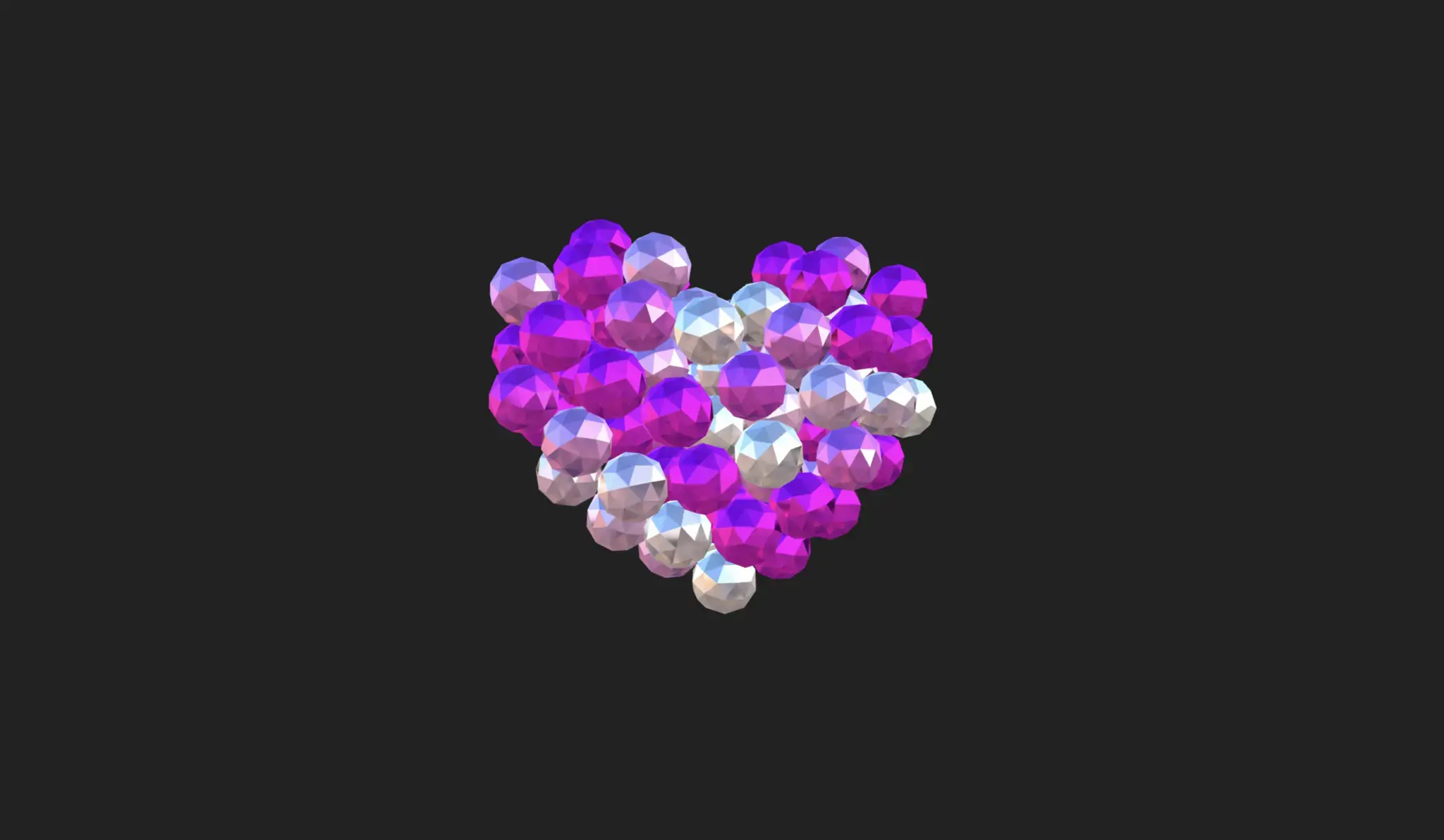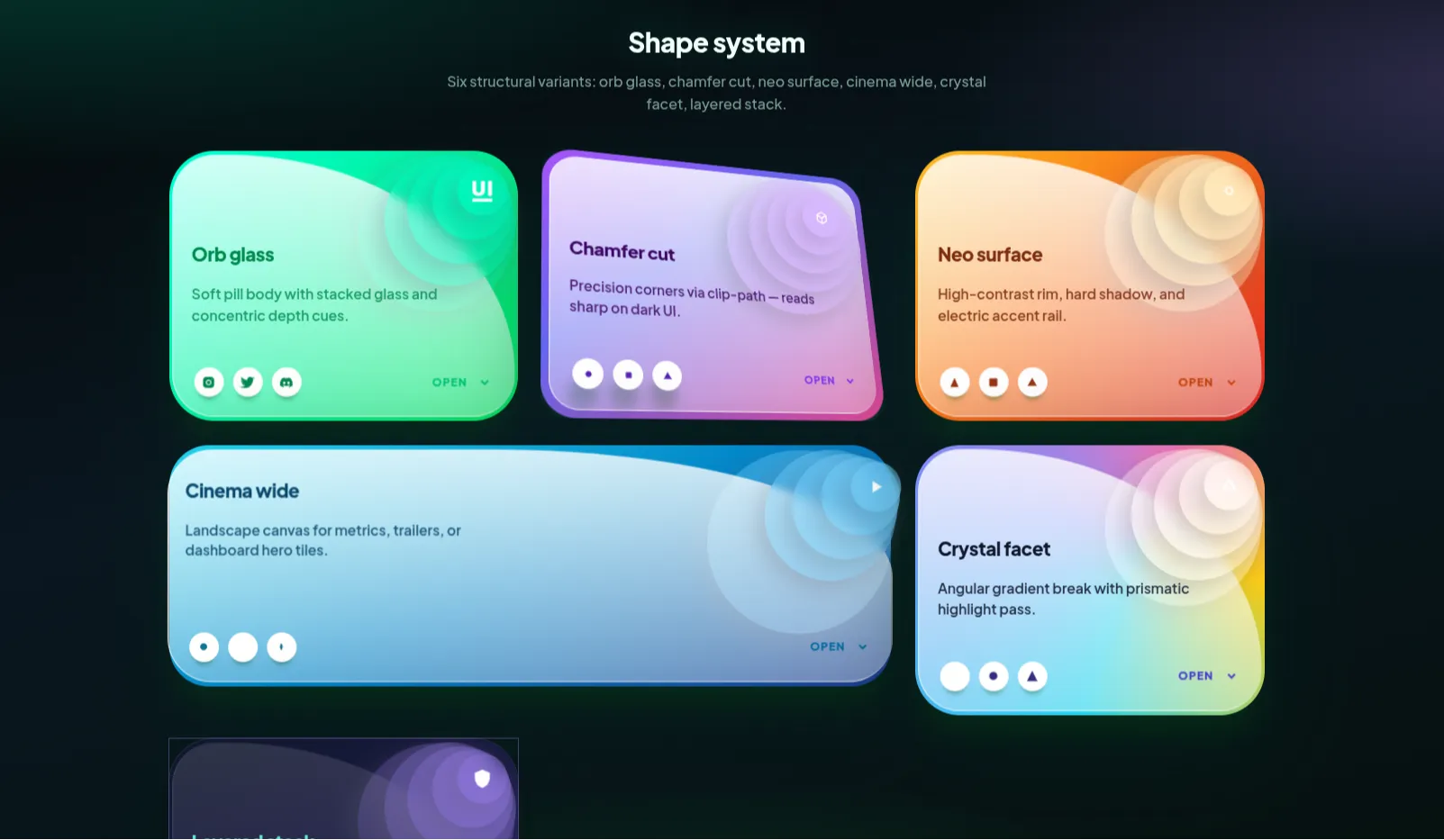
The Neon Glass 3D Cards UI project is a visually striking frontend exploration that merges two highly popular design trends: the sleek, frosted transparency of Glassmorphism and the vibrant, high-contrast aesthetics of Neon or Cyberpunk design. By elevating these flat visual styles with interactive 3D spatial mechanics, this project transforms standard UI cards into highly engaging, tactile digital objects. As the user moves their cursor across the card, it physically tilts in 3D space, reflecting a simulated light glare across its glass surface while radiating a vivid, multi-layered neon glow. This combination of advanced CSS rendering and lightweight JavaScript interaction makes it a perfect showcase component for cutting-edge digital platforms.
Key Features
- Interactive 3D Tilt Effect: Smooth, physics-inspired rotation that tracks the user's mouse coordinates, creating a tangible sense of depth and perspective.
- Frosted Glassmorphism: Utilizing CSS background blurs to create semi-transparent, frosted glass panels that beautifully distort the background elements behind them.
- Vibrant Neon Glows: Complex, multi-layered box shadows and animated pseudo-elements that create a realistic, pulsating neon border effect.
- Dynamic Light Glare: A moving, semi-transparent gradient overlay that simulates realistic light reflection across the glass surface based on the card's tilt angle.
- Hardware-Accelerated Rendering: Engineered using CSS 3D transforms to leverage the browser's GPU, ensuring silky smooth 60fps animations without lag.
Technologies Used
HTML5, CSS3 (Backdrop-filter, 3D Transforms, Box-shadow, Pseudo-elements), JavaScript (ES6+, Mouse Event Tracking, Math APIs)
How It Works
The aesthetic foundation of the Neon Glass 3D Cards UI is built entirely with modern CSS. The glass effect is achieved using a translucent rgba() background color paired with the powerful backdrop-filter: blur() property, which blurs any DOM elements sitting behind the card. The intense neon illumination is crafted using multiple comma-separated box-shadow values, stacking tight, bright highlights with wide, colored blurs to simulate glowing gas tubes.
The interactive magic is driven by a lightweight vanilla JavaScript function. Event listeners track the mousemove event across the card's surface. The script calculates the cursor's position relative to the exact center of the card and converts those coordinates into degrees of rotation. These values are dynamically injected into the card's inline CSS transform: perspective(1000px) rotateX() rotateY() property. As the mouse moves to the top right corner, the card physically tilts towards the user, creating a mesmerizing, highly responsive 3D illusion.
Benefits
For frontend developers, this component is a masterclass in combining CSS visual effects with DOM mathematics. It demonstrates how to elevate a static design into a micro-interaction that surprises and delights users. For designers and businesses, especially in the tech, gaming, Web3, or creative agency sectors, implementing neon glassmorphism signals a brand identity that is modern, bold, and technically sophisticated. These dynamic cards command user attention, drastically increasing interaction rates on pricing tiers, feature highlights, or product showcases.
Use Cases
- Pricing table cards for SaaS products and modern tech startups
- Character or item inventory displays for web-based video games
- Feature highlight sections for Crypto, NFT, and Web3 landing pages
- Interactive project thumbnails for developer and digital designer portfolios
- Digital event tickets or VIP access passes with premium visual styling
Conclusion
The Neon Glass 3D Cards UI project proves that the web browser is a powerful canvas for rich, application-like graphics. By harmonizing the frosted elegance of glassmorphism with the electric energy of neon styling and the tactility of 3D mouse tracking, developers can craft user interfaces that are unforgettable. Integrating these advanced card designs into your next project will instantly modernize your UI, captivate your audience, and showcase a high level of frontend development polish.
Frequently Asked Questions
What is Glassmorphism in web design?
Glassmorphism is a UI design trend characterized by semi-transparent backgrounds with a background blur, simulating the look of frosted glass. It relies heavily on the CSS backdrop-filter property to blur whatever content sits behind the element, creating a sense of visual hierarchy and depth.
How does the 3D hover tilt effect work?
The tilt effect uses JavaScript to track your mouse cursor's X and Y coordinates as it moves over the card. The script calculates how far the cursor is from the card's center and translates that distance into CSS rotateX and rotateY values, forcing the HTML element to pivot in 3D space.
Are glowing CSS neon effects bad for performance?
If overused, heavy box-shadows can cause lag because the browser has to repaint the blur. However, this project optimizes performance by limiting the neon glow to specific pseudo-elements and relying on hardware-accelerated properties like transform and opacity for animations, ensuring a smooth 60fps experience.
Does backdrop-filter work on all web browsers?
The CSS backdrop-filter property is widely supported across all modern browsers (Chrome, Edge, Safari, Firefox). For older browsers that do not support it, developers typically provide a fallback, such as a slightly more opaque solid background color, ensuring the text remains readable.
Will the 3D tilt effect work on mobile devices?
Since mobile devices don't have a hovering mouse cursor, the standard mousemove event doesn't apply. However, the effect can be adapted for mobile by either tying the tilt to the device's gyroscope (using the DeviceOrientation API) or triggering a subtle automated animation when the card scrolls into view.
Download is Locked
Please scroll down to view the full page and unlock the download link.
Your Download is Ready
Click the button below to retrieve the project source code.
More Related Items by CodeTap
View All